
Your device needs electronics that fit its function, enclosure, and interfaces. I work on custom hardware and PCB design, with in-house assembly to support prototype development. You work directly with me, Clemens Elflein, on the electronics and their integration into your system.
From requirements to a board you can evaluate
The starting point is the device: what it must connect to, the available power, the space it must fit into, and the environment in which you intend to use it. Existing schematics, interface descriptions, enclosure drawings, or an early prototype help define the next development step.
Depending on your starting point, the work can cover circuit design, component selection, PCB layout, assembly, and board bring-up. Firmware and mechanical fit belong in that discussion from the beginning. In-house PCB assembly, CAD, 3D printing, and laser cutting support iterations on the prototype.
Relevant engineering projects
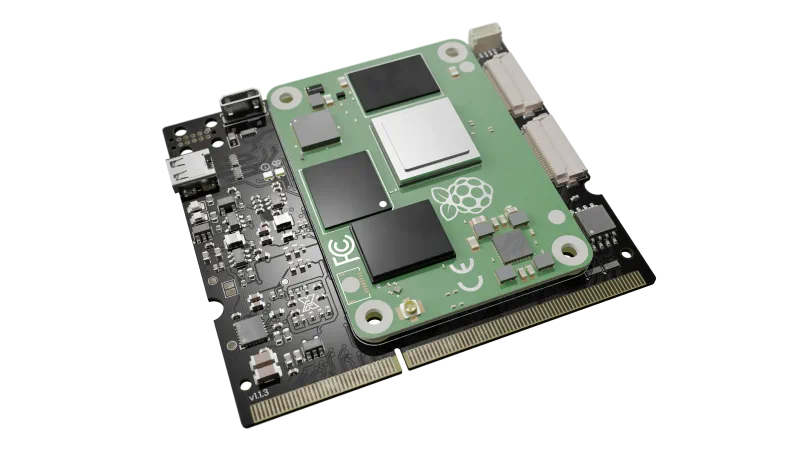
xCore combines an STM32 microcontroller and a Raspberry Pi Compute Module 4 in a robotics module. It illustrates the connection between custom electronics and a system that needs both real-time control and Linux.
xESC Mini is a compact motor-control board developed for robotics. Its project page links to the public design and describes its form factor and interfaces.
Define the scope together
A new board design, an existing-board revision, and integration into a larger device need different deliverables. Describe what is already available and what you need to evaluate next. Design files, prototype quantities, test coverage, and any production or compliance work should be agreed for your particular project.
If your hardware also needs software, see embedded firmware development.
Discuss your hardware project — include the device, current stage, required help, and approximate timing.